
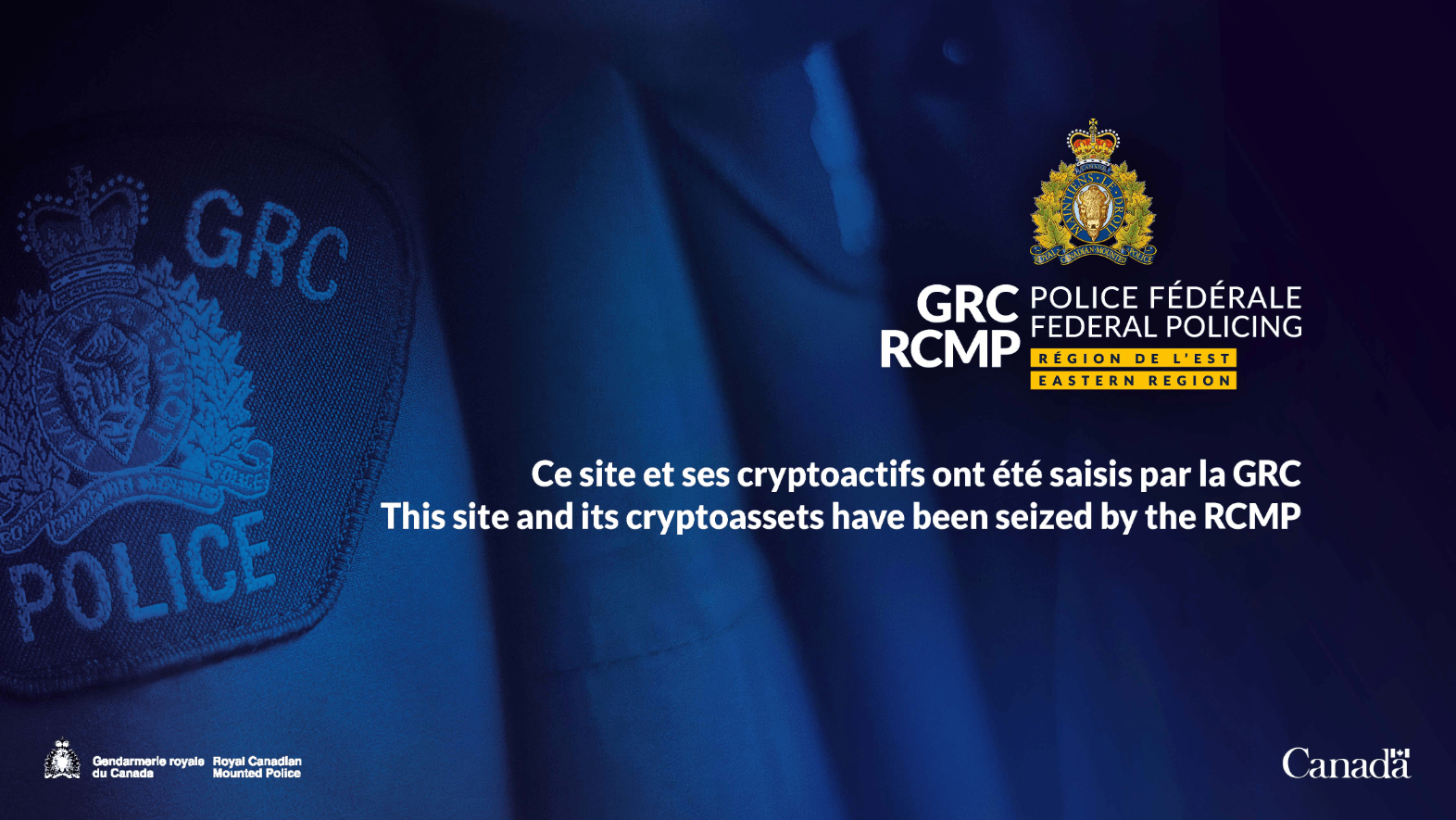
Canada has just recorded its biggest cryptocurrency seizure to date. The Royal Canadian Mounted Police (RCMP) announced it had confiscated 56 million CAD (about $40 million USD) from TradeOgre, a non-KYC crypto exchange that had been operating without registration. The takedown, which began with a Europol tip in June 2024, marks the first time Canadian authorities have dismantled a crypto exchange.
The RCMP alleges that TradeOgre functioned as an unregistered money services business and failed to comply with Canadian financial regulations, including identity verification rules. Investigators claimed that “the majority of funds” moving through the platform were linked to criminal sources, with the exchange’s anonymity being its main appeal for money launderers.
TradeOgre had built a reputation in crypto circles for listing niche, privacy-focused coins and for its lack of KYC requirements, which allowed users to open accounts without providing identification. To regulators, that made it a prime venue for illicit activity. To its supporters, it was simply a platform that respected user privacy.
Pushback from the Community
While the RCMP framed the seizure as a landmark victory against financial crime, the move has sparked backlash. Critics argue that the takedown amounted to confiscating funds from innocent users alongside suspected criminals.
“Are you just saying you can forfeit everyone’s balances because we didn’t KYC? That’s theft from many innocent users,” said Reuben Yap, co-founder of privacy coin project Firo. Taylor Monahan, security lead at MetaMask, echoed the sentiment, accusing the RCMP of stealing money from innocent parties without notification and without due process.
For many in the crypto community, the TradeOgre case underscores a long-running tension: privacy vs. compliance. Using a non-KYC platform is not inherently illegal in Canada, and users claim they are being punished for simply preferring privacy.
What Happens to User Funds?
The RCMP has not announced how users might recover their seized assets, though legal experts note the process is likely to be slow, complex, and burdensome. Past cases, like the U.S. seizure of BTC-e in 2017, show that victims face strict deadlines, heavy documentation requirements, and limited recovery options.
Even if claims succeed, funds are usually returned at the value at the time of seizure. If crypto prices rise during the process, claimants risk getting back only a fraction of their holdings’ future worth.
A Turning Point for Canadian Crypto Regulation
The TradeOgre seizure highlights how seriously Canadian authorities are beginning to enforce compliance in the digital asset space. For regulators, this is a signal that unregistered, non-KYC platforms are no longer tolerable. For users, it is a stark reminder of the risks of keeping funds on centralized exchanges that do not follow domestic rules.
This event also puts Canada in line with global trends. Across the world, governments are stepping up scrutiny of crypto platforms, trying to curb money laundering and other financial crimes. Yet the case also raises uncomfortable questions about how regulators balance enforcement with protecting legitimate users’ rights.
The TradeOgre takedown will likely remain a touchstone in Canada’s evolving crypto landscape. Whether it is remembered as a milestone for financial integrity or as an overreach that punished innocent users will depend on what happens next, especially for those still waiting to see if they can reclaim their seized funds.